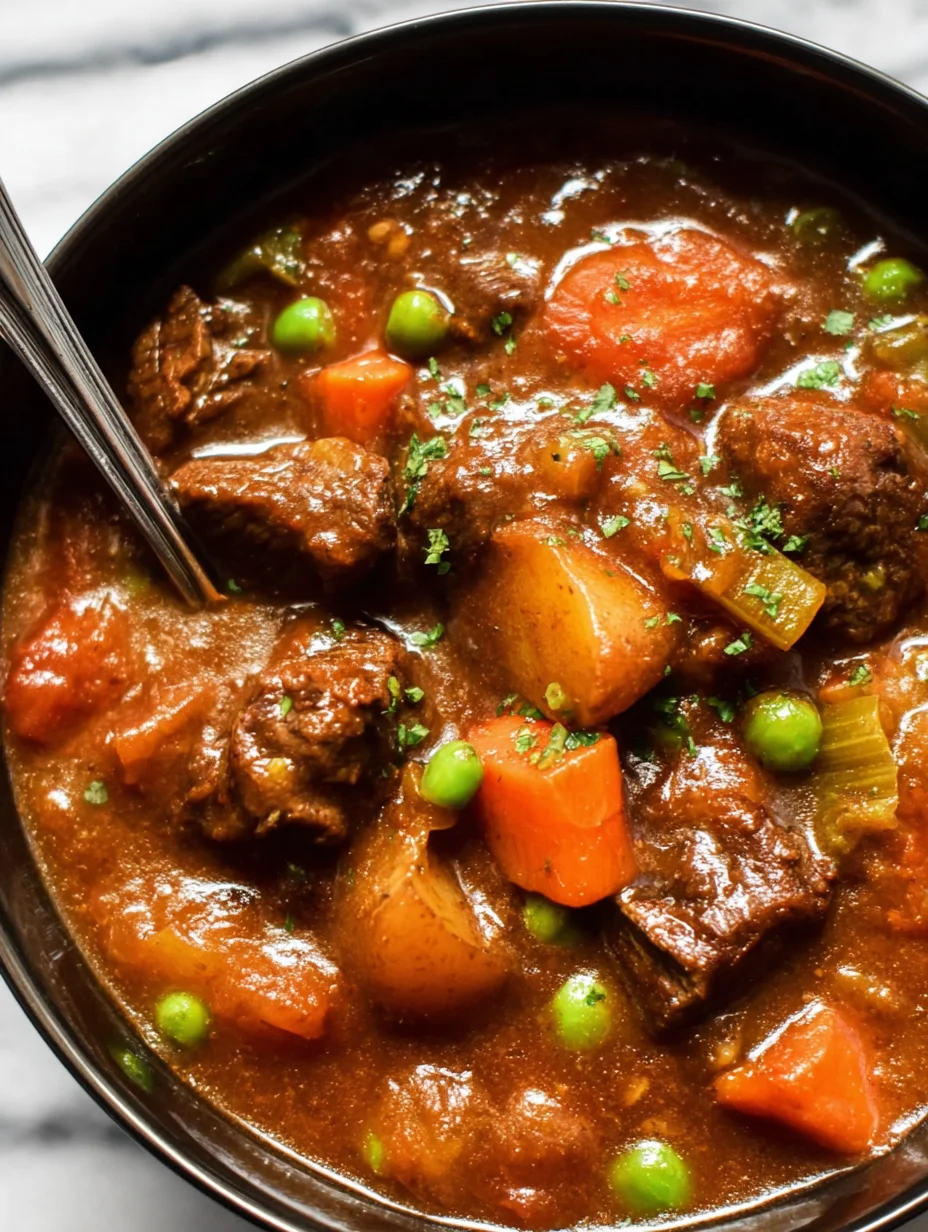

There’s something truly comforting about a warm bowl of beef stew on a chilly evening, isn’t there? I’ve always loved how this classic beef stew brings back memories of family gatherings, with its rich, hearty flavors that seem to hug you from the inside out. As someone who’s experimented with countless recipes over the years, I can tell you that making beef stew at home is easier than you might think, and the results are far superior to anything from a can. In this article, I’ll share my go-to beef stew recipe that’s become a staple in my kitchen—tender beef, vibrant veggies, and a savory broth that simmers to perfection.
What I find interesting is how versatile beef stew can be; it’s not just dinner, but a canvas for whatever ingredients you have on hand. Whether you’re a busy parent rushing through the week or someone who enjoys slow-cooking on weekends, this beef stew fits right in. Let’s dive into the details so you can create your own delicious beef stew tonight—trust me, once you try it, you’ll wonder why you ever settled for less.
Key Takeaways:
- This beef stew is packed with tender meat and fresh vegetables for a nutritious, comforting meal the whole family will love.
- Ready in under 2 hours on the stovetop, or even less with a pressure cooker—perfect for weeknight dinners without sacrificing flavor.
- Rich, savory broth infused with herbs and wine creates an irresistible depth of taste that’s better than takeout.
- Brown the beef first for the best texture and flavor; don’t skip this step for restaurant-quality results.
- Store leftovers in the fridge for up to 4 days—beef stew tastes even better the next day!
Why You’ll Adore This Beef Stew
Comfort in Every Bite: Nothing beats the soul-warming embrace of a homemade beef stew after a long day. The slow-simmered beef melts in your mouth, surrounded by chunks of carrot and potato that soak up all that flavorful gravy. It’s the kind of dish that makes you feel cared for, like a hug from your favorite grandma.
Grab This Chef Knife Now - Almost Gone!
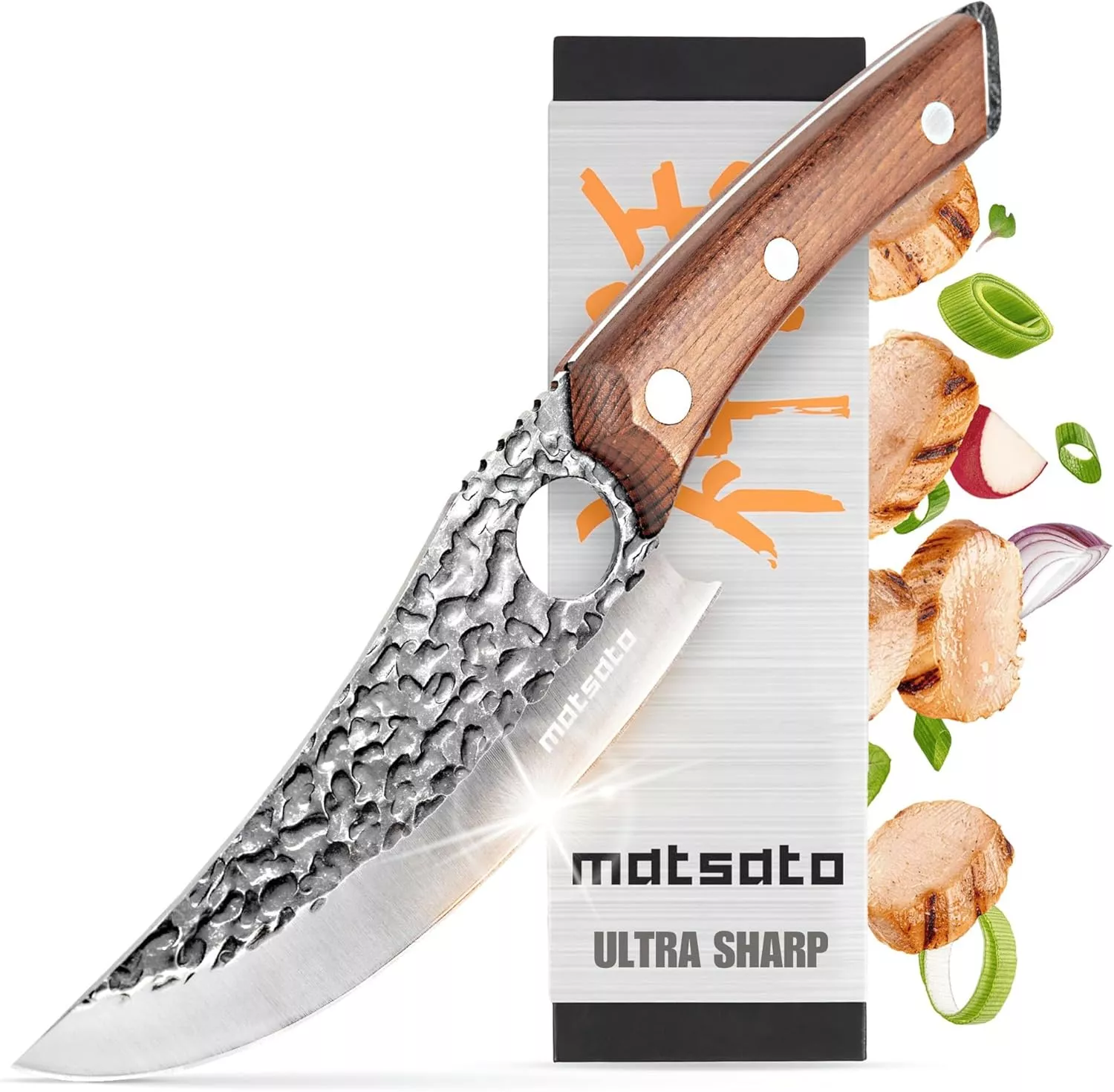
- Stays Razor-Sharp: Ice-hardened blade keeps its edge longer than ordinary knives
- Superior Grip Control: Unique finger hole design gives you perfect balance and safety
- Built to Last a Lifetime: Premium stainless steel blade with elegant beech wood handle
- ✓ Finally, a knife that stays sharp and feels comfortable in my hand
- ✓ Professional quality without the premium price tag
- ✓ Makes meal prep faster and more enjoyable
⏰ Only a few items left in stock - order soon
Simple Yet Impressive: You might be thinking, “Can I really make beef stew without fussing all day?” Absolutely! This recipe uses everyday ingredients and straightforward steps, yet it delivers a meal that’s elegant enough for guests. I’ve served it at potlucks, and it always steals the show.
Nutrient-Packed Goodness: Loaded with lean beef for protein and colorful veggies for vitamins, this beef stew is as healthy as it is delicious. In my experience, it’s a great way to sneak in more greens without anyone noticing. Plus, it’s naturally gluten-free if you skip the flour thickening.
Endless Customization: Here’s the thing—beef stew is forgiving. Add your favorite spices or swap in seasonal produce to make it your own. What I love most is how it adapts to whatever’s in your pantry, turning a simple stew into a personalized feast every time.
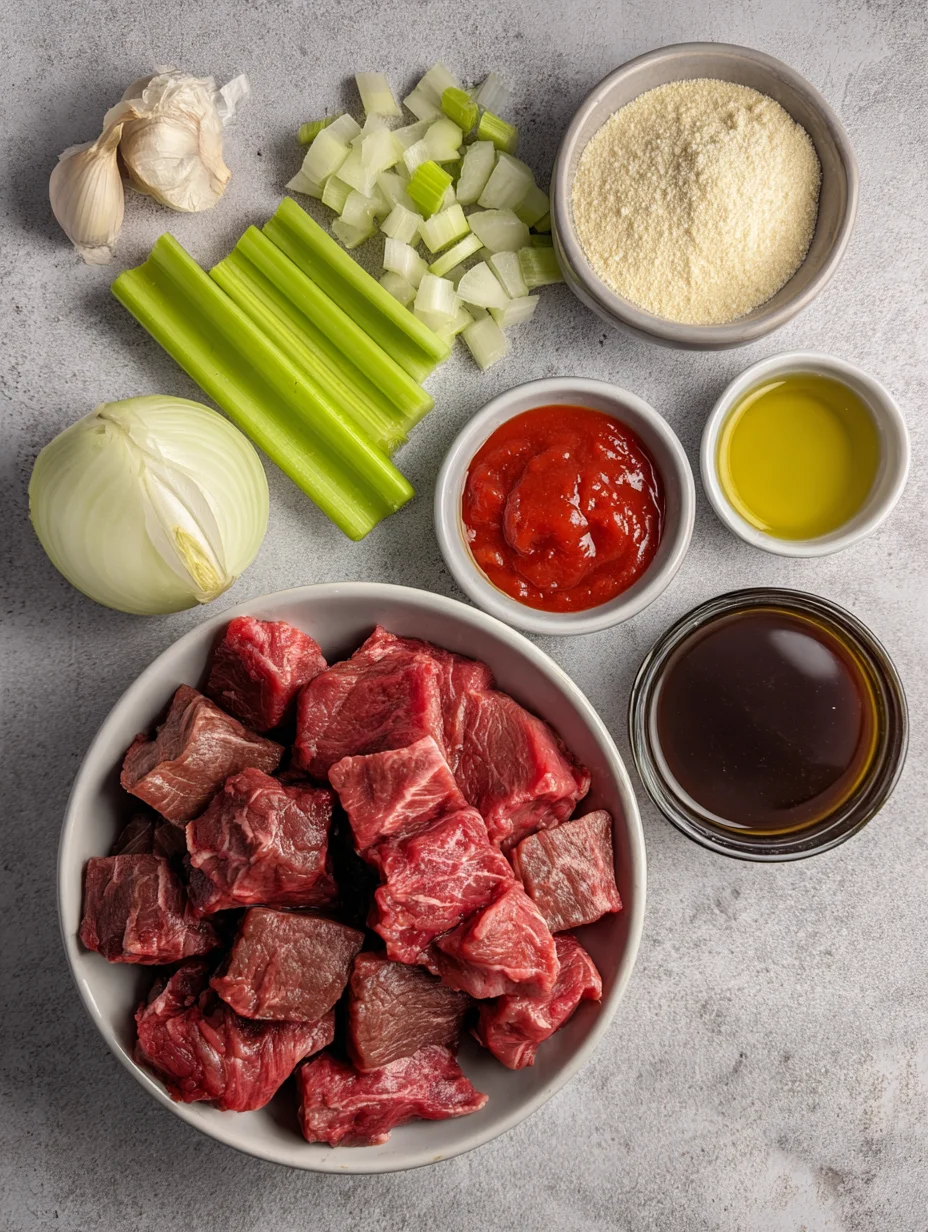
Essential Ingredients for Beef Stew
Beef Chuck Roast: This cut is my absolute favorite for beef stew because it’s marbled with just the right amount of fat, which keeps the meat juicy and tender after slow cooking. Cut into 1-inch cubes, it absorbs the flavors from the broth and veggies beautifully. Without it, your beef stew might end up tough, so choose quality grass-fed if possible for that extra depth. I’ve tried leaner cuts, but they just don’t compare in richness.
Carrots and Potatoes: These hearty root vegetables add sweetness and substance to the beef stew, balancing the savory beef. Carrots bring a pop of color and beta-carotene, while potatoes thicken the stew naturally as they break down. Chop them into even chunks so they cook uniformly—trust me, uneven sizes lead to mushy disasters. In my kitchen, I always use Yukon Golds for their creamy texture.
Beef Broth and Red Wine: The base of any great beef stew is a robust broth, and adding a splash of red wine elevates it to gourmet levels with its acidity and complexity. Opt for low-sodium broth to control the salt, and a dry wine like Cabernet to deglaze the pan without overpowering. This duo creates that glossy, flavorful sauce that clings to every tender piece of beef in the beef stew. If you’re skipping alcohol, extra broth works fine, but the wine adds magic.
How to Make Beef Stew
Prep and Sear the Beef
Start by patting the beef cubes dry with paper towels—this is crucial for a good sear that locks in juices and builds flavor for your beef stew. Heat oil in a large Dutch oven over medium-high heat, then season the beef generously with salt and pepper before adding it in batches to avoid overcrowding. Let it brown on all sides for about 5-7 minutes; the caramelization here is what makes the final beef stew so rich and irresistible. Once seared, remove the beef and set it aside, but don’t wipe the pot—that browned goodness stays for the next step. In my experience, rushing this part leads to bland stew, so take your time.
Sauté the Aromatics and Veggies
Lower the heat to medium and toss in diced onions, garlic, and celery; stir for 3-4 minutes until they’re softened and fragrant, releasing their natural sugars to sweeten the base of the beef stew. Add carrots and potatoes next, cooking for another 5 minutes to coat them in the flavorful fond from the beef. Stir in tomato paste and herbs like thyme and bay leaves, letting it bloom for a minute—the aroma will fill your kitchen with promise. Pour in the red wine to deglaze, scraping up those tasty bits; simmer until reduced by half. This layer-by-layer approach ensures every spoonful of beef stew bursts with complexity.
Simmer to Perfection
Return the seared beef to the pot, along with enough beef broth to cover everything by an inch—about 4 cups should do it for this beef stew. Bring to a gentle boil, then reduce to a low simmer, cover, and let it cook for 1.5 to 2 hours, stirring occasionally. The beef should become fork-tender, and the veggies soft but not mushy; taste and adjust seasoning midway if needed. For a thicker beef stew, mash a few potatoes against the side or add a cornstarch slurry near the end. I’ve found that patience here pays off—the longer it simmers, the more the flavors meld into something truly special.
Ingredients
- 2 pounds beef chuck roast, cut into 1-inch cubes
- 2 tablespoons olive oil
- 1 large onion, diced
- 3 cloves garlic, minced
- 2 celery stalks, chopped
- 4 medium carrots, peeled and sliced
- 4 medium potatoes, peeled and cubed
- 2 tablespoons tomato paste
- 1 cup red wine (optional)
- 4 cups beef broth
- 2 bay leaves
- 1 teaspoon dried thyme
- Salt and black pepper, to taste
- 2 tablespoons all-purpose flour (for dredging beef, optional)
- Fresh parsley, chopped (for garnish)
Beef Stew Instructions
- Pat beef dry and season with salt and pepper. Dredge in flour if using. Heat oil in a Dutch oven over medium-high heat and sear beef in batches until browned, about 5-7 minutes. Remove and set aside.
- In the same pot, add onion, garlic, and celery; sauté for 3-4 minutes until softened. Add carrots, potatoes, and tomato paste; cook for 5 minutes. Stir in thyme and bay leaves.
- Deglaze with red wine, scraping the bottom, and reduce by half. Return beef to pot, add broth, and bring to a boil. Simmer covered on low for 1.5-2 hours until beef is tender. Season to taste and garnish with parsley.
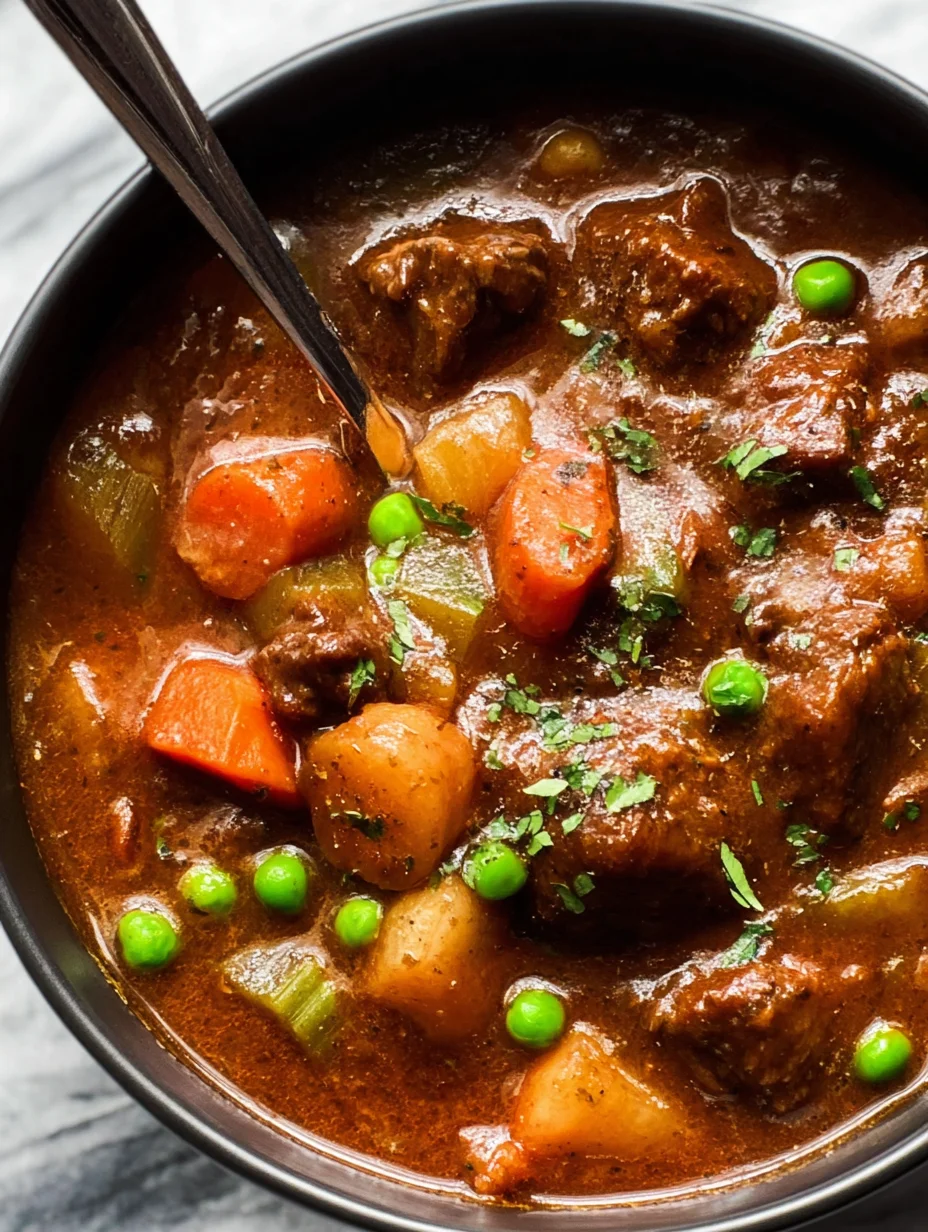
Pro Tips for the Best Beef Stew
Brown in Batches: Overcrowding the pot steams the beef instead of searing it—do small batches for that deep flavor in your beef stew.
Use Low and Slow: Simmer gently to keep the meat tender; high heat can toughen it up, ruining the texture of the beef stew.
Taste as You Go: Adjust herbs and salt during simmering—it’s easier than fixing an underseasoned beef stew later.
Grab This Kitchen Scale Now — Best Precision Pick!
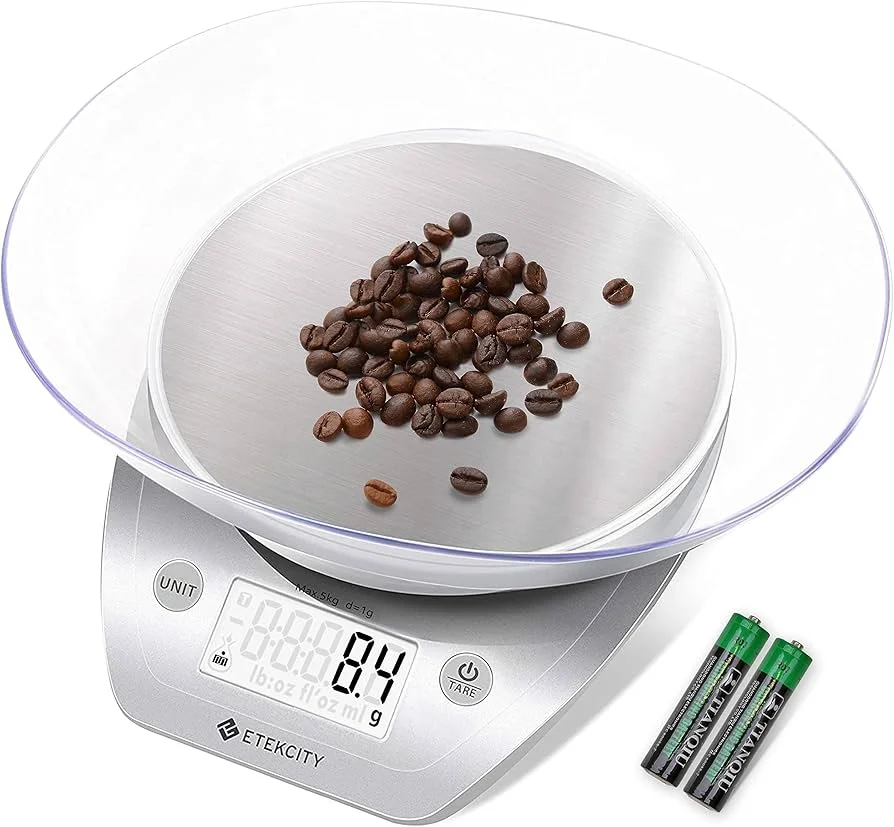
- Razor-Accurate Every Time: Dual-increment precision down to 0.1g — perfect for baking, meal prep, and portion control with g, oz, ml, and fl'oz modes.
- Smart Removable Bowl Design: Detachable bowl doubles as a protective case for compact storage. Tare function lets you weigh ingredients in any container with zero fuss.
- Built for Everyday Convenience: Auto-zero, tare function, low battery alert, overload indicator, and 2-minute auto-off to extend battery life — all in a sleek stainless steel build.
- ✓ "Perfect for baking — precise, lightweight, and stores easily without wasting counter space"
- ✓ "A game changer! Weighing ingredients is now way more accurate than measuring cups"
- ✓ "Love the 0.1g precision and backlight — best food scale I've owned. Highly recommend!"
⏰ Only a few items left in stock - order soon
You Must Know
- Beef stew improves with age; flavors deepen overnight in the fridge for even better taste on day two.
- Choose stewing cuts like chuck or round for optimal tenderness after slow cooking.
- A splash of Worcestershire sauce can amplify umami without overpowering the classic beef stew profile.
- For gluten-free beef stew, skip the flour and use arrowroot powder to thicken if needed.
How to Store Beef Stew
Let your beef stew cool completely before transferring it to an airtight container; it keeps in the fridge for up to 4 days, with flavors melding beautifully over time. For longer storage, freeze portions in freezer bags for up to 3 months—thaw overnight in the fridge when ready. Reheat gently on the stovetop with a splash of broth to revive the consistency, stirring to prevent sticking. I’ve found that microwaving works in a pinch, but stovetop reheating preserves that homemade beef stew magic.
Customizing Your Beef Stew
If you’re looking to switch things up, try adding mushrooms or parsnips for extra earthiness in your beef stew, or go vegetarian with lentils instead of beef. For a spicy twist, incorporate smoked paprika or diced jalapeños during the sauté step. If beef isn’t your thing, swap it for lamb or even chicken thighs— the base method remains the same. Check out our Chinese Beef and Broccoli for more beef inspiration, and feel free to experiment; beef stew is all about what makes you happy.
What to Serve with Beef Stew
A crusty baguette or warm cornbread is perfect for sopping up that rich gravy from your beef stew—simple and satisfying. For a lighter side, pair it with a crisp green salad tossed with vinaigrette to cut through the heartiness. Don’t forget a glass of red wine, like the one used in the recipe, or a cozy hot cider if you’re keeping it non-alcoholic. In my experience, these pairings turn a good beef stew into a complete, memorable meal that warms you from the inside out.
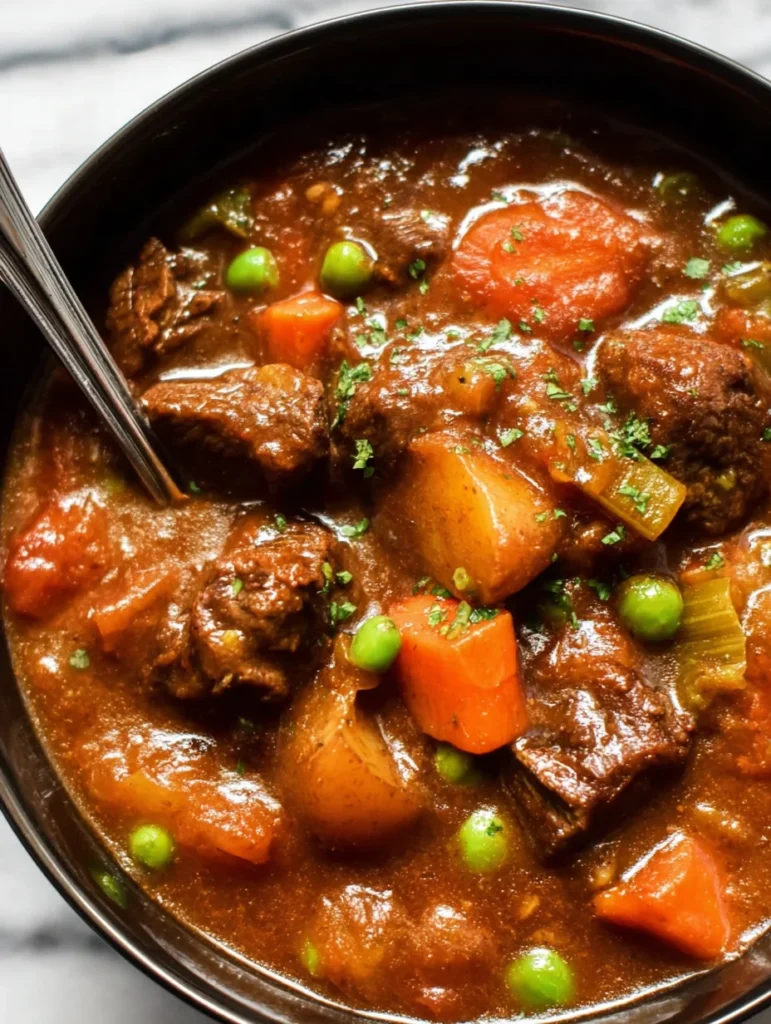
Beef Stew
This beef stew recipe is cozy, hearty, and filling with tender beef, carrots, and potatoes simmered in a rich and flavorful red wine sauce.
Timing
Recipe Details
Ingredients
- 01 2 pounds cubed beef chuck or beef stewing meat ((see note))
- 02 Flour ((for dredging))
- 03 2 tablespoons olive oil (+ more as needed (divided))
- 04 1 medium onion ((chopped))
- 05 3 sticks celery ((chopped))
- 06 6 cloves garlic ((minced))
- 07 1 6 ounce can tomato paste ((see note))
- 08 1 cup dry red wine
- 09 3 cups beef broth
- 10 1 tablespoon Worcestershire sauce
- 11 1/4 teaspoon Italian seasoning
- 12 3 bay leaves
- 13 1 pound Yukon Gold potatoes ((peeled & diced))
- 14 4 medium carrots ((peeled & sliced fairly thick))
- 15 1 cup frozen peas ((optional))
- 16 Salt & pepper ((to taste))
Instructions
Prep ingredients. I recommend peeling and cutting the potatoes and carrots just prior to step 8.
Coat the beef cubes in flour, and shake off any excess.
Add 1 tablespoon of the oil to a pot/Dutch oven over medium-high heat. Once the oil is hot, sear the beef in two batches until nicely browned (if you crowd the pot it won't brown). Don't move the meat around the pan... turn it with tongs after it's had a few minutes to sear. Add the remaining oil to the pot for the second batch. Transfer the meat to a plate after each batch.
If the pot seems quite dry, add another teaspoon or so of olive oil, then add in the onions and celery and sauté for 5 minutes.
Stir in the garlic and tomato paste and cook, stirring often, for 1-2 minutes.
Stir in the wine, broth, and Worcestershire sauce. Scrape up any brown bits from the bottom of the pot.
Add the beef back to the pot (and any juices on the plate) as well as the Italian seasoning and bay leaves. Bring the stew to a gentle boil, then reduce the heat, cover the pot, and simmer for 1 hour. Important: I recommend stirring it occasionally during this time to ensure nothing is sticking to the bottom of the pot and that the temperature is still correct. On my gas stove I cook this stew alternating between medium-low and low (I adjust as needed so it's bubbling fairly gently vs. full-on boiling).
Stir in the potatoes and carrots, cover the pot again, and continue simmering for another hour or until the potatoes, carrots, and meat are nice and tender. As per the previous step, give it a stir occasionally to ensure nothing is sticking/scorching, and adjust the stove's temperature as needed so it maintains a simmer.
Take the bay leaves out of the stew and stir in the frozen peas. Let them warm through.
Season with salt & pepper as needed and serve.
FILED UNDER:
NUTRITION FACTS (PER SERVING)
Nutrition information is calculated using an ingredient database and should be considered an estimate. In cases where multiple ingredient alternatives are given, the first listed is calculated for nutrition. Garnishes and optional ingredients are not included.
Frequently Asked Questions About Beef Stew
Can I make Beef Stew ahead of time?
Yes, beef stew is ideal for make-ahead meals since the flavors intensify over time. Prepare it up to two days in advance, store in the fridge, and reheat gently on the stovetop. It’s even better the next day, making it perfect for meal prep or hosting.
How long does Beef Stew last in the fridge?
Your beef stew will stay fresh in the refrigerator for 3-4 days when kept in an airtight container. Beyond that, freeze it to extend its life up to three months. Always reheat to at least 165°F for safety.
What’s the best cut of beef for Beef Stew?
Chuck roast or beef brisket are top choices because they’re tough cuts that become melt-in-your-mouth tender with slow cooking. Avoid lean cuts like sirloin, as they can dry out. In my tests, chuck gives the beef stew the richest flavor and texture.
Can I make Beef Stew in a slow cooker?
Absolutely, and it’s one of my favorite methods for hands-off cooking. Sear the beef first if possible, then dump everything into the crockpot on low for 6-8 hours. This beef stew turns out just as flavorful, perfect for busy days.
Is Beef Stew gluten-free?
It can be—skip any flour for dredging and use cornstarch or skip thickening altogether. Most ingredients are naturally gluten-free, so double-check your broth label. This makes beef stew accessible for everyone at the table.
How do I thicken Beef Stew if it’s too thin?
Mash some of the potatoes against the pot side or stir in a slurry of cornstarch and water during the last 10 minutes. Simmer uncovered to reduce liquids naturally. For your beef stew, this quick fix creates that perfect, velvety consistency without extra effort.
Can I add frozen vegetables to Beef Stew?
Yes, but add them in the last 30 minutes of cooking to avoid sogginess. Frozen peas or corn work great for color and convenience. Just stir them in toward the end for that fresh pop in your beef stew.
What’s a good wine substitute for Beef Stew?
Use beef broth mixed with a bit of balsamic vinegar or pomegranate juice for acidity without alcohol. It mimics the depth red wine adds. This keeps the beef stew delicious and inclusive for all preferences.
Final Thoughts
Wrapping up, this beef stew recipe has everything you need for a cozy, flavorful meal that hits all the right notes—tender beef, hearty veggies, and that unbeatable simmered goodness. I’ve shared it with friends and family, and it never fails to bring smiles and second helpings. Give it a try this weekend; you’ll be hooked on homemade beef stew in no time. Head to the kitchen, roll up your sleeves, and let me know how yours turns out!